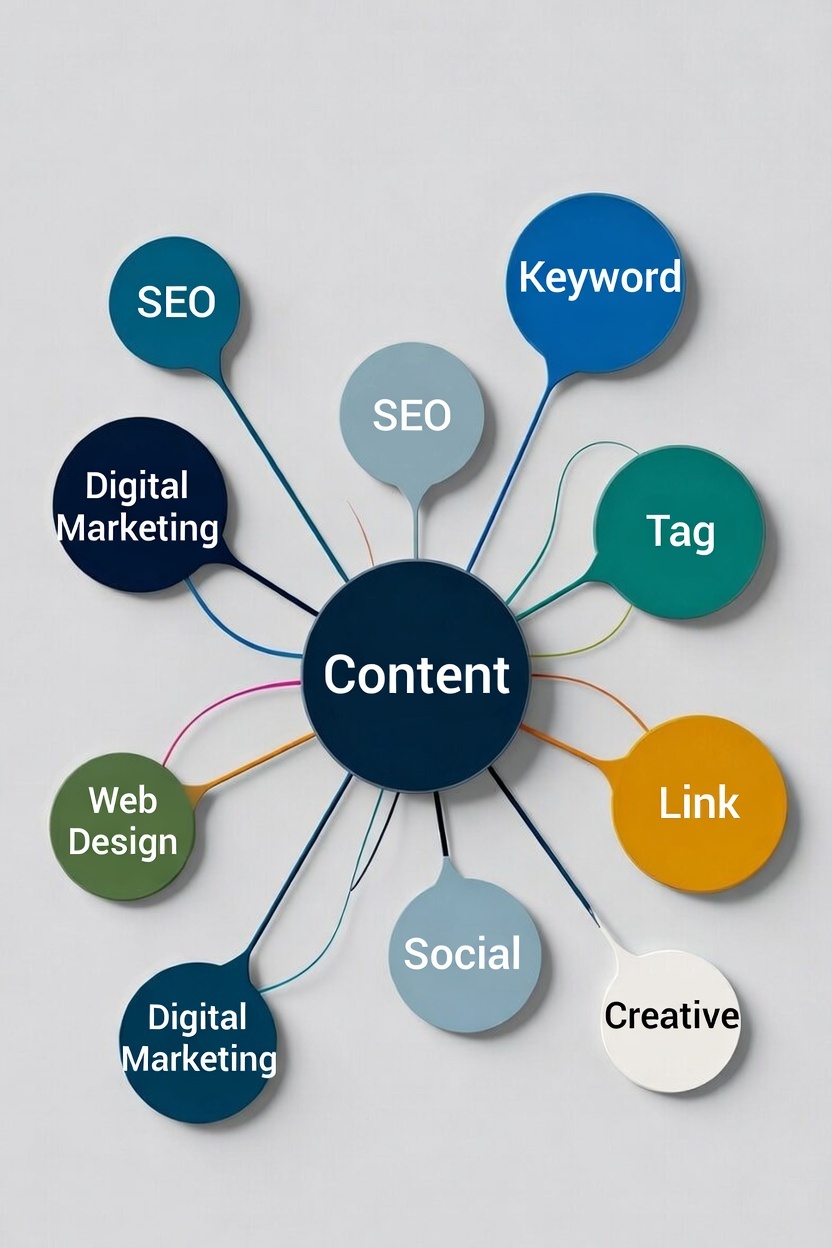
Creating content for a website is easy. Keeping that content connected, meaningful, and readable over time is the real challenge. This is exactly where keywords and tags step in.
In many off-the-shelf CMS platforms, keywords are either ignored or reduced to outdated meta keyword fields with little to no real impact. Modern content management, however, treats keywords not as decoration but as navigation maps. They define how content relates, which topics belong together, and how readers move naturally across a site.
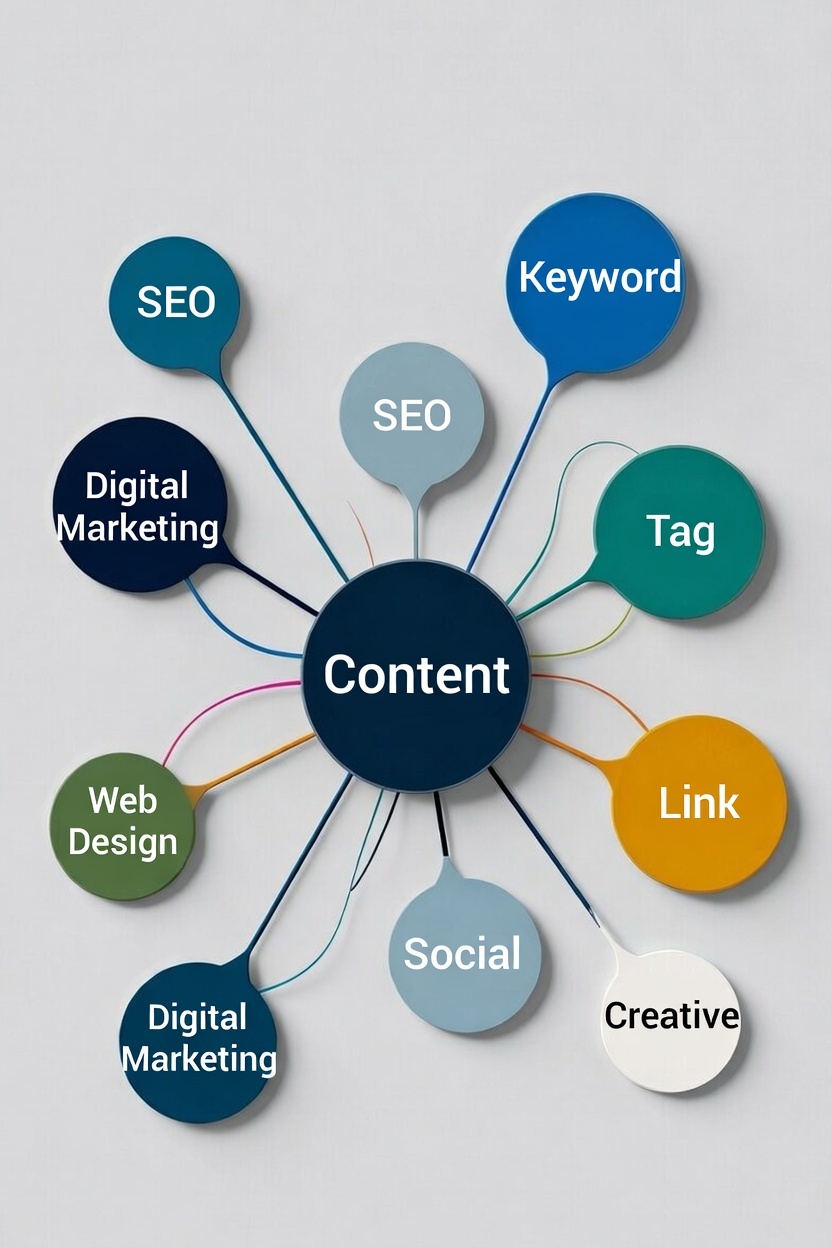
KRPCMS approaches keywords differently from traditional tagging systems. Here, keywords are not just labels but shared concepts that actively connect content. If an article includes keywords like “seo”, “cms”, and “istanbul”, the system understands these as relational signals and links the content organically with others that share the same context.
This creates a smoother experience for visitors. Instead of jumping between unrelated pages, users move through content that actually belongs together. For search engines, this signals topical authority. The site is no longer a collection of isolated pages but a structured knowledge space.
Each piece of content in KRPCMS has its own meta data, and keywords act as a living layer that feeds this structure. They support SEO without artificial tricks or manual cross-linking. Everything happens naturally through the content itself.
From the admin side, keyword management is intentionally simple. No confusing taxonomy trees, no bloated configuration screens. You write your content, select the relevant keywords, and the system takes care of indexing and relationships in the background.
As the site grows and content volume increases, the value becomes even clearer. Editors do not need to remember how articles relate to each other. Well-defined keywords already handle that connection. The larger the site gets, the more organized it feels.
In KRPCMS, keywords are not an SEO gimmick. They are part of the content architecture itself, quietly shaping structure, discoverability, and long-term scalability